The People Who Build It Should Help Define It: Rebalancing Standards Development in 2026
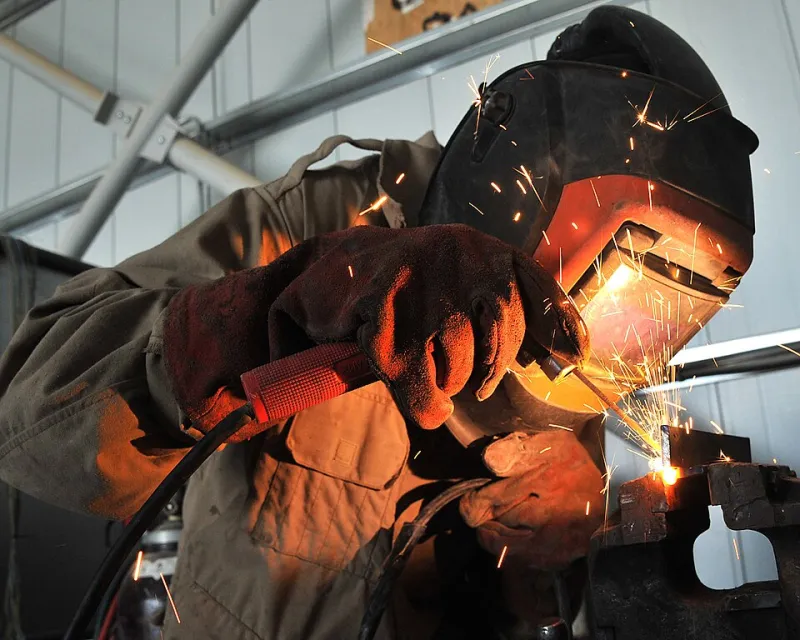
Photo: Sgt Wes Calder RLC, OGL v1.0, via Wikimedia Commons
The gap between the document and the workshop
Standards are often described as the invisible infrastructure of industry. They shape how equipment is specified, how processes are audited and how contracts are agreed. Yet the people who assemble, maintain and troubleshoot that equipment are not always the people who write the text. For too long, standards development has leaned towards organisations with the resources to send representatives to committee meetings: large original equipment manufacturers, consultancies and specialist advisers. That input is valuable. It is not sufficient. In 2026, UK manufacturing needs standards that are not only technically defensible but workable on a busy shop floor.
Why practical insight matters
A clause that looks elegant in a meeting room can create friction in a small factory. A calibration requirement may assume access to a laboratory that an SME does not have. A documentation duty may fall on a production manager who is already covering three roles. None of this means the standard is wrong in principle. It means the practical consequences need to be tested by people who understand the constraints. Technicians, maintenance engineers and production supervisors see where a requirement adds value and where it adds paperwork. Their insight is not a substitute for technical expertise. It is a form of technical expertise.
Three routes into the conversation
Members do not need to become full-time standards specialists to make a difference. There are practical ways to contribute.
First, respond to consultations. BEMSC member updates highlight open consultations and draft standards that are relevant to UK industry. A short, structured response based on operational experience can carry weight. Members can note where a requirement is unclear, where it duplicates existing practice or where it would impose a disproportionate burden on a small team.
Second, nominate a technical representative. Committees benefit from people who can speak to implementation. BEMSC can help members understand what is involved, and smaller firms may be able to share a representative or support a nominee through shadowing. The aim is not to fill seats for the sake of representation. It is to ensure that the people who implement standards have a route into the room where they are shaped.
Third, turn shop-floor experience into evidence. Anecdote is useful; structured evidence is better. Members can record examples of where a standard has worked well, where it has caused difficulty and what change would make it more effective. Case notes, failure modes and simple time studies do not need to be elaborate. They need to be clear.
Making room without lowering the bar
None of this is an argument for excluding large OEMs or specialist consultants. Their knowledge of design, risk and international practice is essential. The argument is for balance. A standards committee that hears only from the largest players may produce a document that is rigorous in theory and awkward in practice. A committee that hears from large and small firms, from designers and maintainers, is more likely to produce something that lasts.
BEMSC is keen to support that balance through regional roundtables in 2026. These sessions are intended to be practical: a chance to discuss live consultations, share member experience and identify where technical representatives could add value. They are not formal committee meetings, and they do not require preparation beyond a willingness to describe what happens in your business.
A call to action for members
We are inviting BEMSC members to share short stories of standards in practice. Did a revised requirement change the way you work? Has a consultation raised a question that your team can answer? Is there a technical colleague who would bring valuable experience to a standards committee? Members can send these examples to the BEMSC secretariat or raise them at a regional roundtable.
The standards system is stronger when it draws on the full range of UK engineering and manufacturing experience. The shop floor is not a passive recipient of standards. It is a source of evidence, judgement and practical wisdom. In 2026, let us make sure that voice has a seat at the table.